Portable Handheld Garment Steamer: Wrinkle-Free Fast
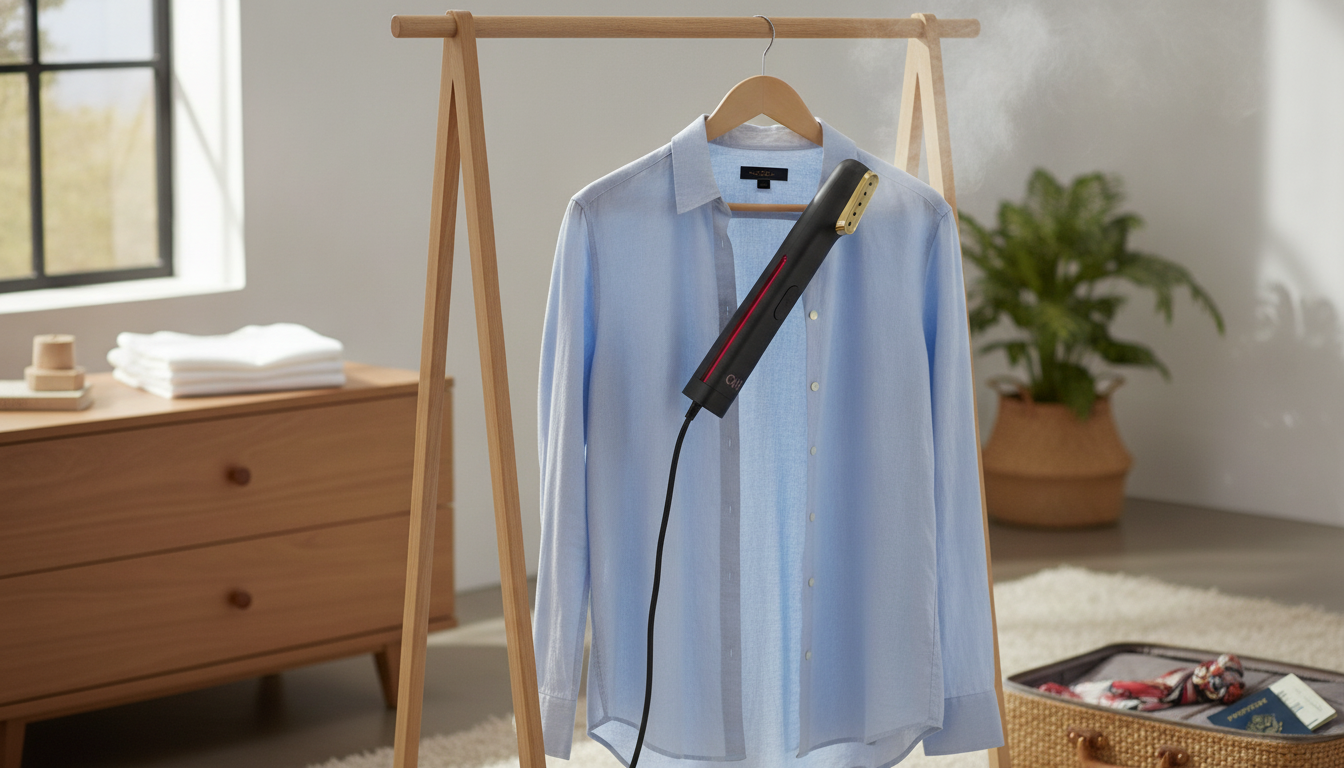
Portable Handheld Garment Steamer: Fast Wrinkle Release at Home or on the Go
A portable handheld garment steamer smooths wrinkles quickly, refreshes fabrics between washes, and helps clothing look pulled-together without setting up an ironing board. It’s a practical tool for busy mornings, small apartments, and travel—especially when a quick touch-up makes an outfit feel instantly more polished. Below is a clear breakdown of what handheld steaming does best, how to use it safely on common fabrics, and the small maintenance habits that keep steam strong and consistent.
Why a handheld steamer earns its spot in a routine
- Quick touch-ups for shirts, dresses, suits, and uniforms when time is limited—hang, steam, go.
- Gentler on many fabrics than direct-contact ironing when used with a little distance and steady motion.
- Helpful for hard-to-iron details like pleats, delicate linings, and some embellishments where an iron can snag or flatten texture.
- Refreshes between washes by loosening fibers and releasing some trapped odors (especially useful for outer layers and “worn once” items).
For best results, always start with the garment’s care label. If a label warns against heat or steam, follow that guidance first. The Federal Trade Commission overview of care labeling is a helpful reference for interpreting symbols and instructions: FTC: Clothing and Textile Care Labels.
What to look for in a portable handheld garment steamer
- Heat-up time: A shorter warm-up is better for last-minute outfits and quick resets before leaving the house.
- Steam output and consistency: Steady steam usually removes wrinkles faster than intermittent bursts.
- Water tank size: Larger tanks reduce refills; smaller tanks improve portability and packing.
- Drip control: Reduces water spotting—especially important on silk-like or darker fabrics.
- Cord length and mobility: Extra reach makes it easier to steam hanging garments, curtains, or a dress on a closet rod.
- Safety features: Auto shut-off and overheat protection are useful in busy homes and shared spaces.
- Attachments: A fabric brush can help with thicker knits; a crease tool can add light structure where desired.
Quick comparison: steaming vs ironing
| Feature | Handheld Steamer | Iron |
|---|---|---|
| Setup time | Low (hang garment, fill tank) | Medium (board, heat, adjust settings) |
| Best for | Light–moderate wrinkles, refresh, delicate items | Crisp creases, heavy wrinkles, precision |
| Risk of shine/scorch | Lower with correct distance | Higher if too hot or pressed too long |
| Portability | High | Low–medium (depends on iron and board) |
| Learning curve | Low | Low–medium (temperature and fabric control) |
How to use a handheld steamer for the best results
- Fill with clean water to the indicated line. Overfilling is a common cause of drips and sputtering.
- Hang the garment on a sturdy hanger. Keep fabric slightly taut with your free hand, but avoid placing fingers directly behind the steam path.
- Steam top to bottom in slow, even passes. For stubborn areas, repeat passes rather than soaking one spot.
- Maintain a small gap between the nozzle and fabric unless your unit is specifically designed for contact steaming.
- Let it dry briefly before wearing or storing so moisture doesn’t set into folds or create new wrinkles.
If you’re refreshing clothing between washes, pairing steaming with smart laundry habits helps fabrics last longer. For broader garment care basics, see: American Cleaning Institute: Laundry and Fabric Care Basics.
Fabric guide: where steaming shines (and where to be careful)
- Cotton: Very effective for everyday wrinkles. Use slower passes on thicker weaves and seams.
- Linen: Steam helps a lot, but linen naturally wrinkles—plan for a couple extra passes for a smoother look.
- Polyester blends: Often the easiest to smooth. Keep a bit of distance to avoid heat stress or “wavy” spots.
- Silk: Use caution. More distance, shorter exposure, and test an inner seam first to reduce spotting risk.
- Wool: Great for de-wrinkling and refreshing. Avoid over-wetting so the garment doesn’t lose shape.
- Embellished or delicate trims: Steam from the reverse side or carefully around decorations to reduce the chance of loosening glue or warping details.
- Avoid unless the manufacturer allows: waxed fabrics, suede/leather, and heat-sensitive coatings.
Care, cleaning, and preventing mineral buildup
- Empty the tank after use to reduce standing water and scale.
- Adjust water choice to your area: if you have hard water, distilled or demineralized water can reduce mineral buildup (follow your steamer’s instructions).
- Wipe the exterior and nozzle after the unit cools. Keep vents clear of lint and dust for steady airflow.
- Descale on a realistic schedule based on usage and water hardness. Warning signs include sputtering, reduced steam, or longer heat-up times.
- Store upright when possible and protect the nozzle from knocks, especially in luggage.
Travel and small-space use tips
Recommended picks available now
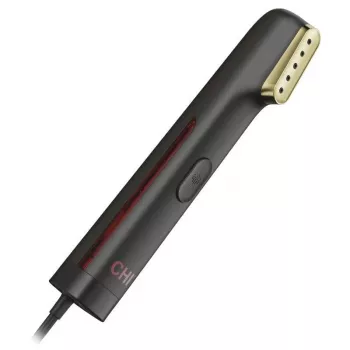
Portable Handheld Garment Steamer
Ultimate Back Magic Stretch & Massage Device
FAQ
Can a handheld garment steamer replace an iron?
It can replace an iron for quick de-wrinkling and refreshes, but irons are still better for sharp creases and heavy wrinkles. Many households keep both and choose based on the garment and the finish they want.
Is it safe to use a handheld steamer on silk or delicate fabrics?
It can be safe if the care label allows it, but use more distance, limit steam time, and test an inner seam first. This helps reduce the chance of water spotting or heat stress on delicate fibers.
Why is my steamer spitting water instead of steam?
Common causes include overfilling, tilting the steamer too far, not letting it fully heat up, or mineral buildup. Keep the unit upright, follow the fill line, and descale if steam output has become uneven.






Leave a comment